

About Our Truck Service
When service is due, our experts inspect your truck on several checkpoints so you get complete satisfaction and peace of mind before the next due service.
- General Automotive Repair
- Preventative Maintenance
- Cooling System and Radiator Repair
- Air Conditioning and Heater Service
- Synthetic Motor Oil Replacement
- Brake Repair
- Engine Diagnostic
- Belts, Hoses, Fluids
- Transmission Services
- Oil Filter Replacement
- Air Filter Replacement
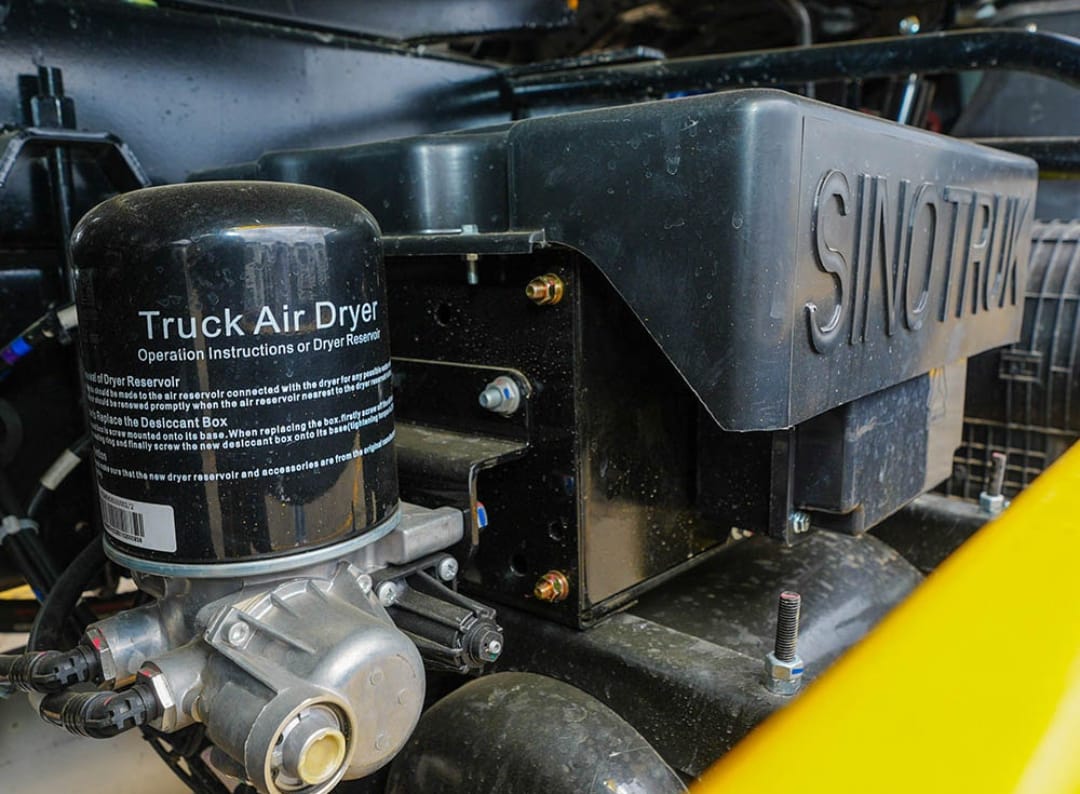

Oil Changes
Regular oil changes are the foundation of preventative maintenance for any truck, acting as the primary defense against engine wear and premature failure.
In the demanding world of trucking—where heavy loads, long idling periods, and extreme temperatures are the norm—motor oil serves three critical functions:
- Lubrication: Reducing friction between high-speed moving parts to prevent heat buildup.
- Cleaning: Suspending microscopic soot, metal shavings, and carbon deposits so they can be trapped by the filter.
- Cooling: Drawing heat away from the combustion chamber to maintain optimal operating temperatures.
Neglecting this service leads to “sludge” buildup, which restricts oil flow and can result in catastrophic engine damage or significantly reduced fuel economy. For commercial fleets and owner-operators alike, a consistent oil change interval is the most cost-effective way to extend the life of the powertrain and ensure roadside reliability
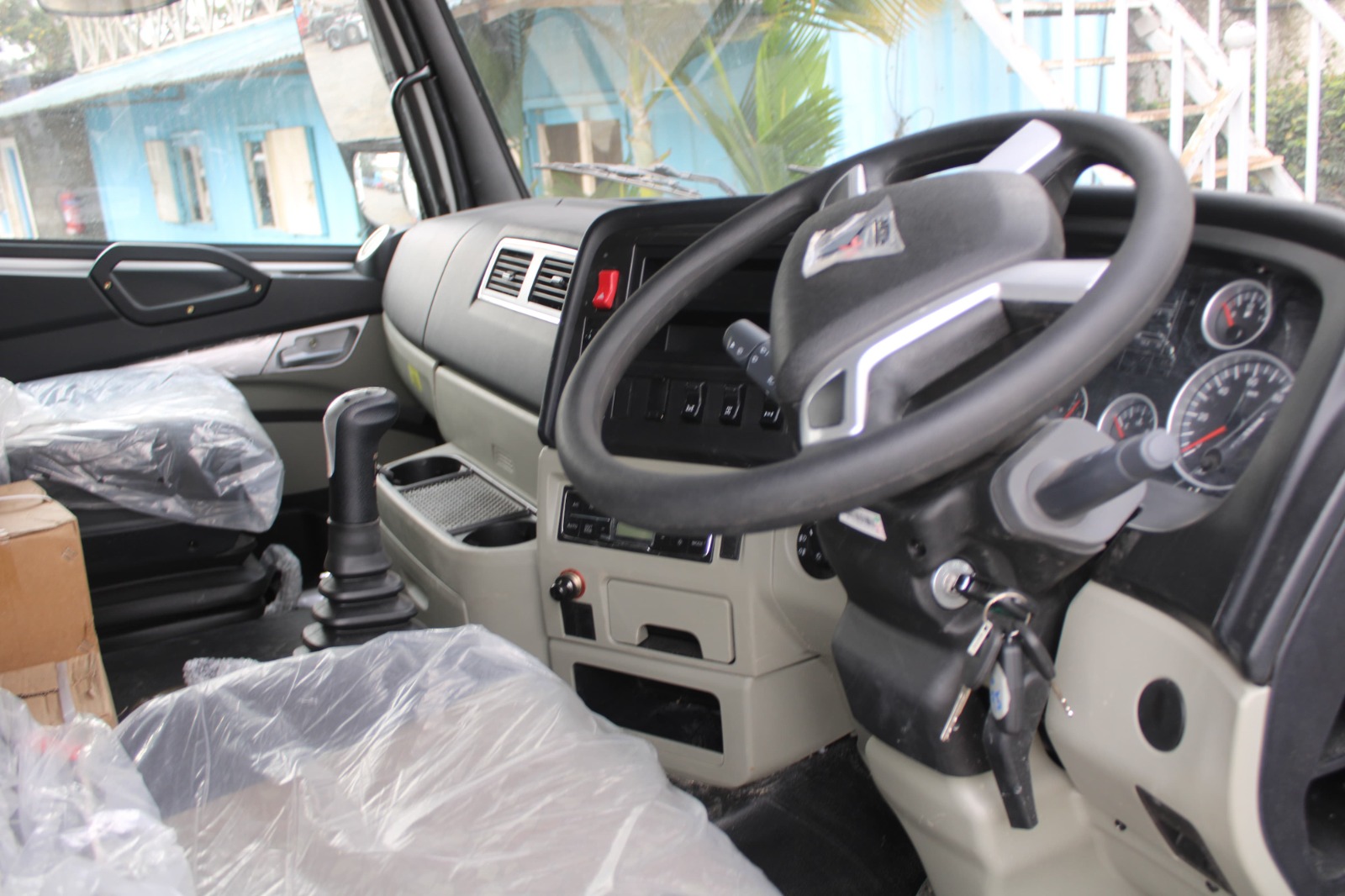
Air Conditioning
In truck servicing, the air conditioning (AC) system is far more than a luxury; it is a critical safety and productivity component. For long-haul drivers, a properly functioning AC system is essential for maintaining alertness, reducing heat-induced fatigue, and ensuring a safe operating environment.
Because truck cabins are large and often subject to extreme external temperatures and long idling hours, the AC system works harder than that of a standard passenger vehicle. Key aspects of specialized truck AC servicing include:
Driver Health & Safety: High cab temperatures are directly linked to decreased concentration and slower reaction times. A well-maintained system also filters out dust, pollen, and pollutants, protecting the driver’s respiratory health.
Fuel Efficiency: An efficient AC system pulls less power from the engine. When the system is low on refrigerant or has a clogged condenser, the compressor must run longer and harder, noticeably increasing fuel consumption.
Humidity & Visibility: The AC system acts as a dehumidifier. In cold or rainy weather, it is vital for rapidly clearing fog from the windshield to maintain clear visibility.
Preventative Component Protection: Regular “re-gassing” ensures that the refrigerant—which also carries the lubricant for the compressor—is at the correct level. Neglecting this can lead to catastrophic compressor failure, which is one of the most expensive repairs in a truck’s HVAC system.
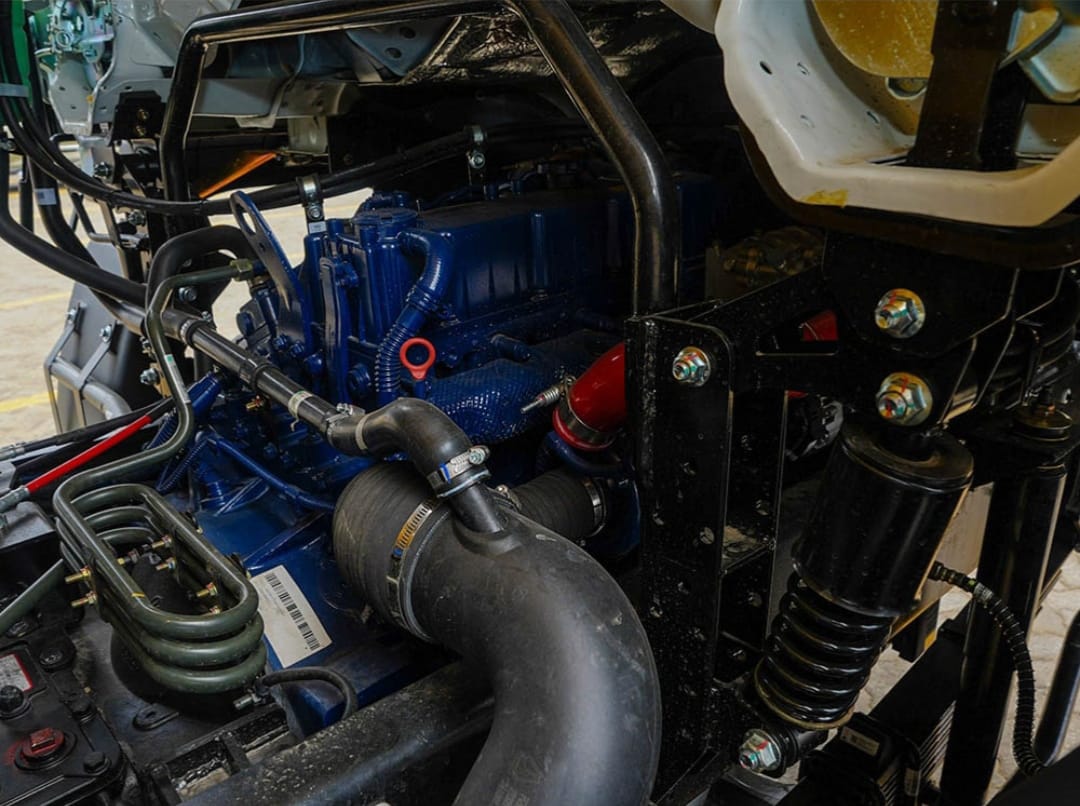
Auto Electric
The auto electrical system is the “nervous system” of the vehicle. While older trucks were primarily mechanical, today’s heavy-duty vehicles rely on a complex network of wires, sensors, and computers to manage everything from engine timing to driver safety.
A comprehensive auto electrical service focuses on three core pillars:
1. The Starting & Charging Powerhouse
The battery, alternator, and starter motor must work in perfect harmony. In a truck, the electrical demand is massive—not only to crank a high-compression engine but also to power sleeper cab accessories, GPS, and communication tools. Servicing ensures the alternator is providing the correct voltage (typically 13.7V to 14.7V while running) to prevent leaving a driver stranded with a dead battery.
2. Digital Engine & Performance Management
The Electronic Control Unit (ECU) acts as the truck’s brain. Auto electrical servicing involves:
Diagnostic Scanning: Identifying “ghost” faults or error codes before they trigger a “limp mode” event.
Sensor Calibration: Ensuring oxygen, mass airflow, and pressure sensors are providing accurate data to maximize fuel efficiency and reduce emissions.
3. Safety and Compliance Systems
Many critical safety features are entirely electronic. Specialized technicians inspect:
Lighting Circuits: Ensuring headlights, markers, and brake lights meet DOT/legal standards and are free from the flickering caused by poor grounding.
Advanced Driver Assistance (ADAS): Maintaining the electrical integrity of ABS, traction control, and collision-avoidance sensors.
Wiring Integrity: Checking harnesses for fraying or corrosion caused by road salt, vibration, and extreme heat, which are the leading causes of electrical fires.
Schedule Service
Opening hours
- Monday 8:00 – 18:00
- Tuesday 8:00 – 18:00
- Wednesday 8:00 – 18:00
- Thursday 8:00 – 18:00
- Friday 8:00 – 18:00
- Saturday 7:00 – 12:00
- Sunday Close